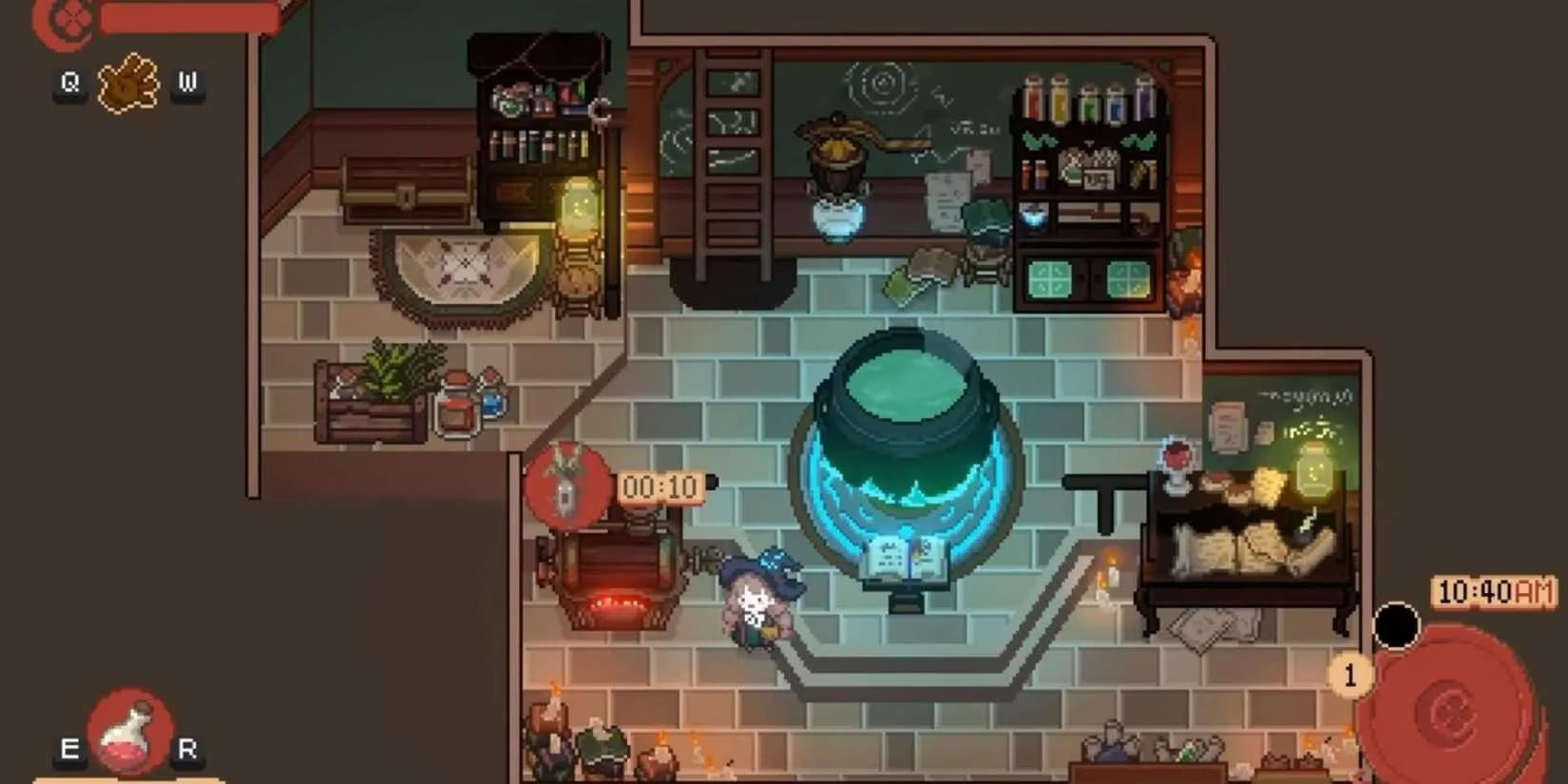
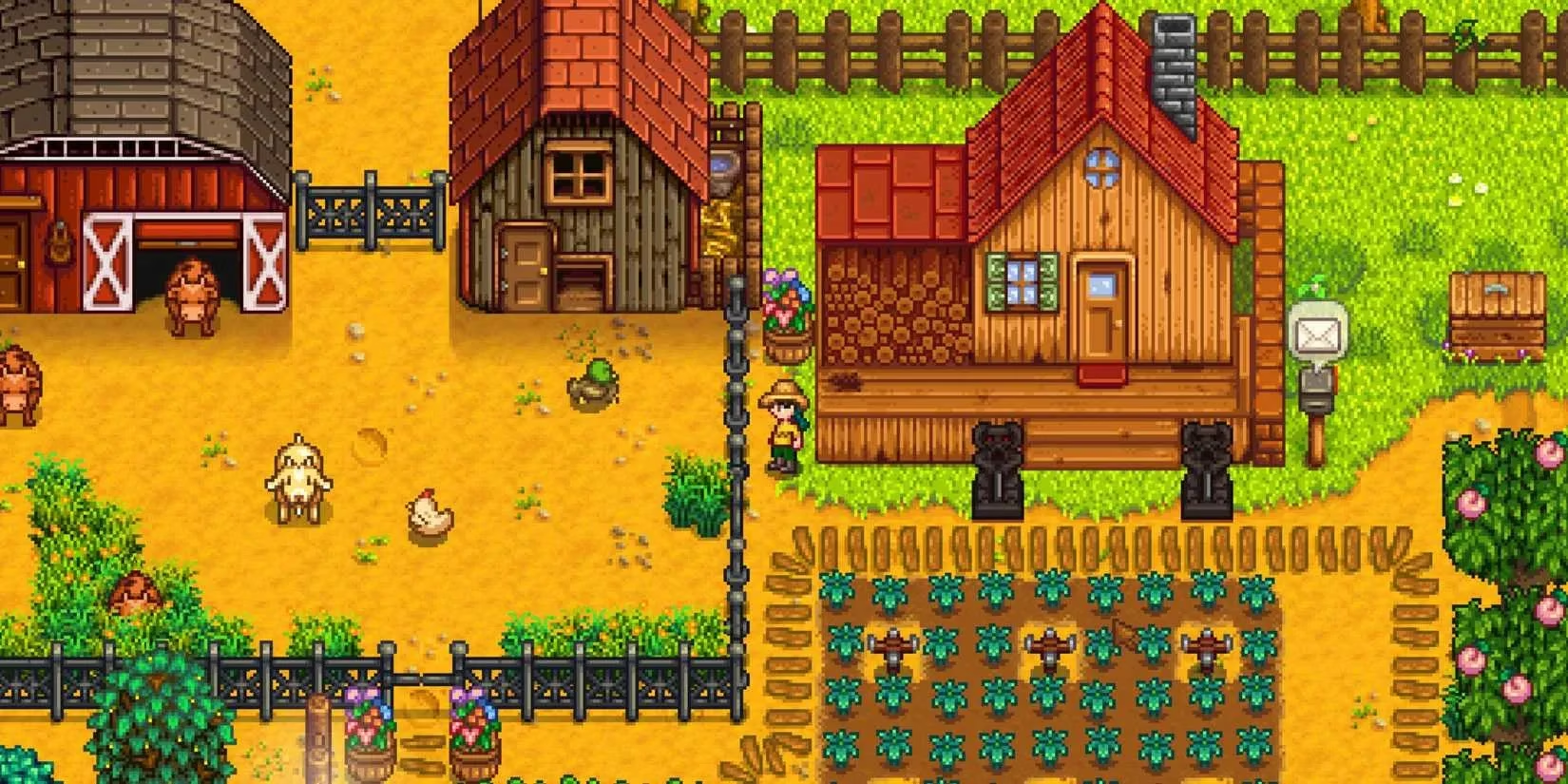
As a dedicated fan of cozy, life-simulation titles, I've witnessed firsthand the profound influence Stardew Valley has exerted on the indie gaming landscape. Its masterful blend of accessible mechanics, a gentle narrative, and pixel-art charm created a blueprint for success that didn't require a blockbuster budget. This formula has naturally inspired a wave of developers hoping to capture that same magical feeling. Over the past several years, we've seen countless titles attempt to replicate that success, with varying degrees of achievement. However, one game that has consistently captured my attention during its extended early access period is Little Witch in the Woods. It doesn't feel like a simple clone; instead, it takes the foundational elements of beloved games like Stardew Valley and Animal Crossing and weaves them into a fresh, enchanting tapestry that feels uniquely its own.
A Witch's Journey: Inverting the Cozy Formula
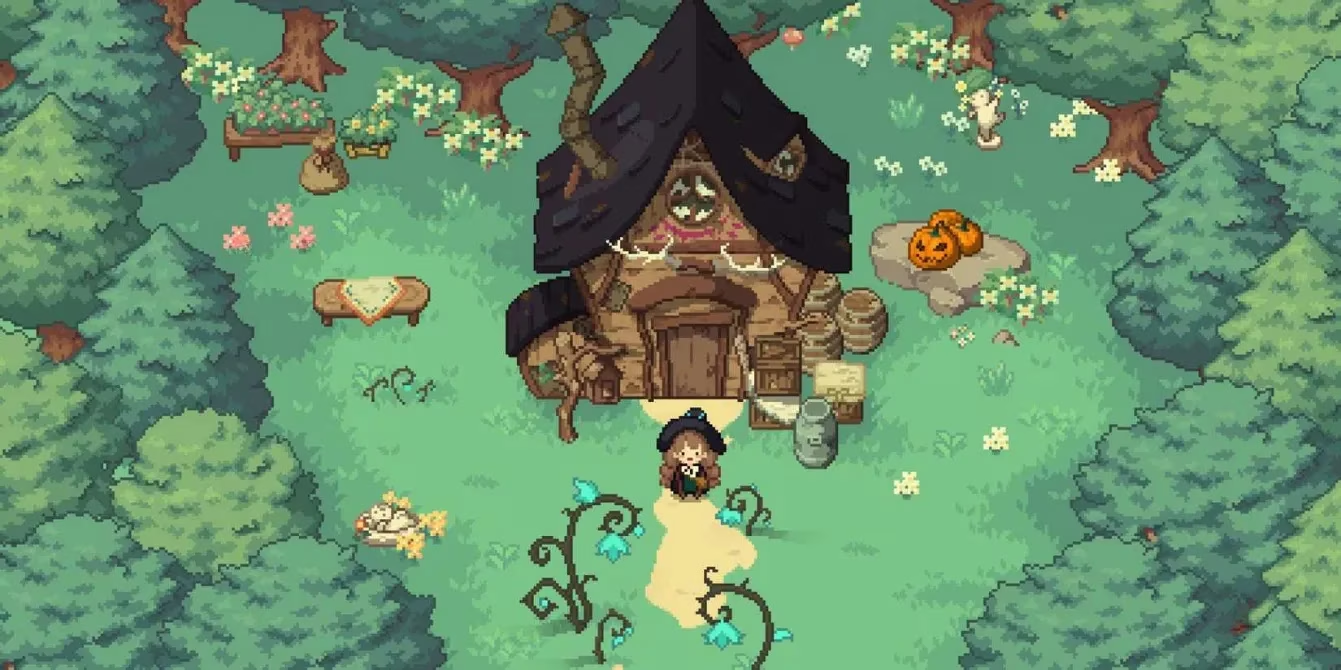
Where many games in this genre have you settling down on a farm or in a village, Little Witch in the Woods immediately sets itself apart with its premise. I step into the boots—or rather, the pointy hat—of Ellie, an apprentice witch who has just arrived at the Witch House, a secluded sanctuary designed for novitiates. This isn't a story of escaping corporate life, but one of dedicated study and mystical community service. In this world, witches are integral, helpful members of society, which provides a wonderful narrative foundation for the gameplay. My primary goal isn't profit, but progression through learning and aiding others. This clever inversion creates a compelling and logical core loop: I explore, learn new spells and recipes, help the villagers with their supernatural problems, and grow my magical prowess.
The Heart of the Craft: Potion-Making and Progression
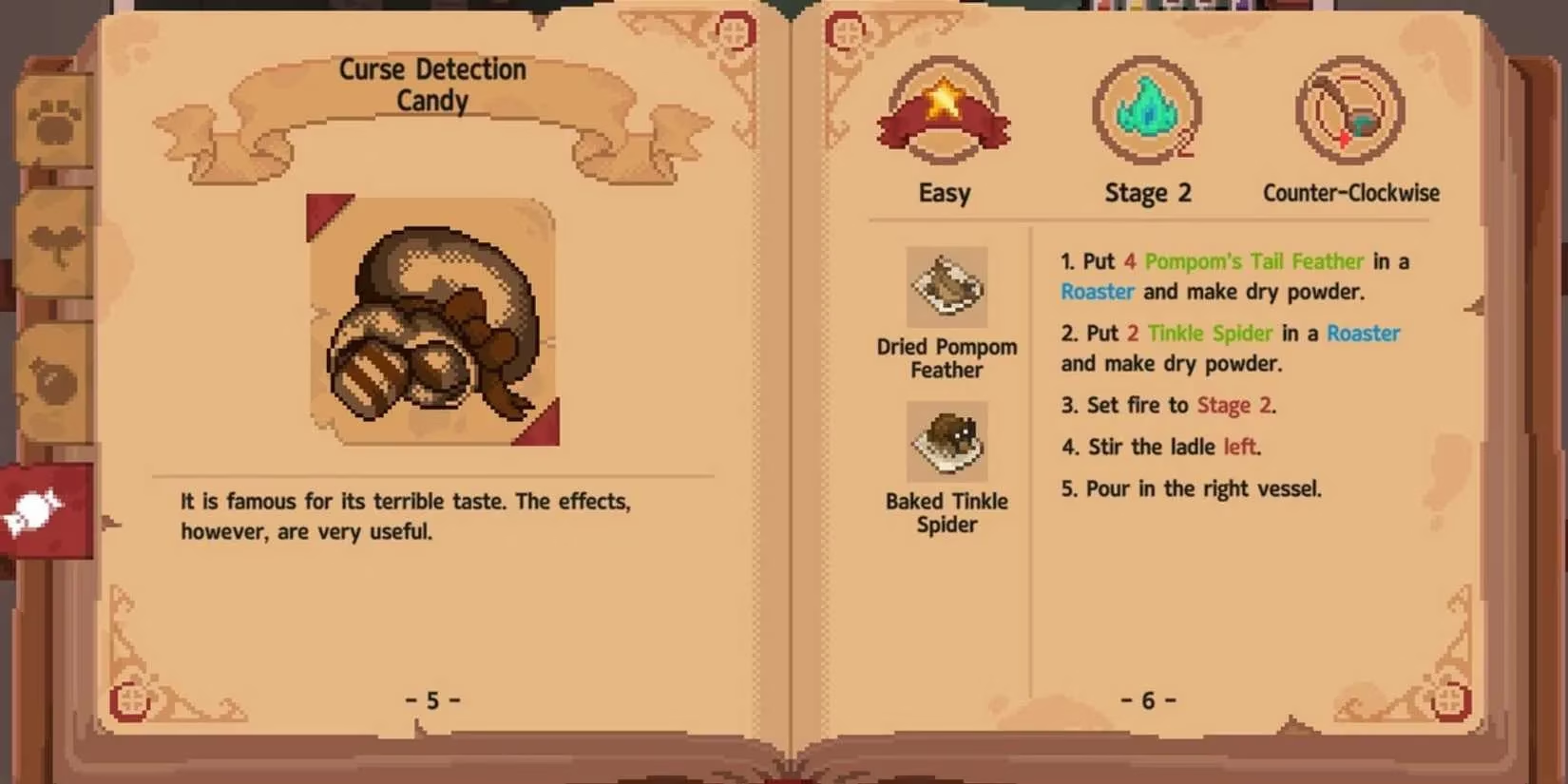
The most significant and delightful iteration on the standard formula comes from its central mechanic: potion-making. While reminiscent of cooking in other games, this system is far more integral and versatile. Gathering resources from the lush, magical environment isn't just for selling or gifting; it's the essential first step in brewing. The potions I create serve a vast array of purposes, far beyond simple stat boosts.
-
Problem-Solving Elixirs: Need to clear a path blocked by magical thorns? There's a potion for that. Want to befriend a shy forest creature? Brew a specific concoction. This system makes every gathering trip feel purposeful and directly tied to narrative and environmental progression.
-
Customization and Home-Brewing: Just as I loved customizing my farmhouse, I can personalize the Witch House to my heart's content, creating a cozy, magical home that reflects my journey. The storage and brewing stations become a personalized workshop.
A Living, Breathing World: Creatures and Community
The game's world is teeming with life, and interacting with its fauna is another layer of its ingenious design. Cataloging and interacting with magical creatures isn't a mere side activity for completionists; it's woven directly into Ellie's training and the core gameplay. I find myself engaging with these critters in multiple meaningful ways:
| Interaction Type | Purpose & Reward |
|---|---|
| Collecting Byproducts | Gathering feathers, fur, or essences for advanced potion ingredients. |
| Feeding & Care | Building trust with creatures, often unlocking new interactions or resources. |
| Potion-Assisted Bonding | Using specific brews to safely approach or communicate with rare beings. |
This system creates a wonderful synergy. A potion brewed to help a villager might require an ingredient from a creature I've recently learned to befriend. It’s a deeply interconnected cycle that makes the world feel alive and responsive.
Visual Enchantment and Future Promise
All these robust systems are delivered within a package of stunning artistry. The visual design of Little Witch in the Woods is arguably its crown jewel. The hand-drawn, storybook aesthetic is bursting with charm and color, making every screen feel like a page from a beloved fairy tale. The character designs are expressive, and the environments are lush and inviting. After years in early access, the game has cultivated a dedicated following, and the buzz suggests its full release will be a polished, complete realization of its considerable strengths. It promises not just to be another cozy game, but a defining title that evolves the genre by blending life-simulation with light adventure and a truly enchanting magical core. For players like me who cherish these experiences, it represents the exciting next step in the genre's evolution.