
As I sit here in 2026, my farm in a state of beautiful chaos, I can't help but marvel at the staying power of Stardew Valley. It's been a decade since its debut, yet it feels as fresh and inviting as ever. The secret to its longevity isn't one single feature, but a potent blend of accessibility, freedom, and a community that refuses to let the sun set on this digital valley. It's like a perfectly kept garden—seemingly simple on the surface, but with a deep, interconnected root system that keeps everything alive and thriving.
Universal Accessibility: The Open Gate Policy
The easiest way to make a game everlasting is to price it at a low cost and make it available on most platforms. While we haven't seen a dedicated native version for the newest consoles like the Switch 2 or PS5 Pro (yet!), the magic of backwards compatibility means the original versions run flawlessly. PC and mobile remain stalwart platforms, making it incredibly easy for anyone, anywhere, to pick up a watering can and start their journey. This widespread availability is the cornerstone of its success. It proves that when a game is genuinely good and accessible, people will find it and cherish it for years, even a full decade later. There are virtually no barriers to entry.
The Sweet Taste of Boundless Freedom
There are no real "goals" in Stardew Valley, and that's its greatest strength. Sure, there are quests—gentle nudges like a letter in the mail from an NPC—but they are suggestions, not demands. You can spend an entire season fishing by the mountain lake, or dedicate your life to becoming a master artisan in your shed. The world opens up to you from the very beginning, a small-scale, top-down open world where every path is yours to choose. This freedom is intoxicating. For the more hardcore players, the dangerous mines offer a shot of adrenaline, a necessary spice that breaks up the peaceful rhythm of farm life. The gameplay loop is as comforting and predictable as the changing of the seasons, yet as unpredictable as the contents of a geodesmashing rock.
A Timeless Aesthetic That Welcomes Everyone
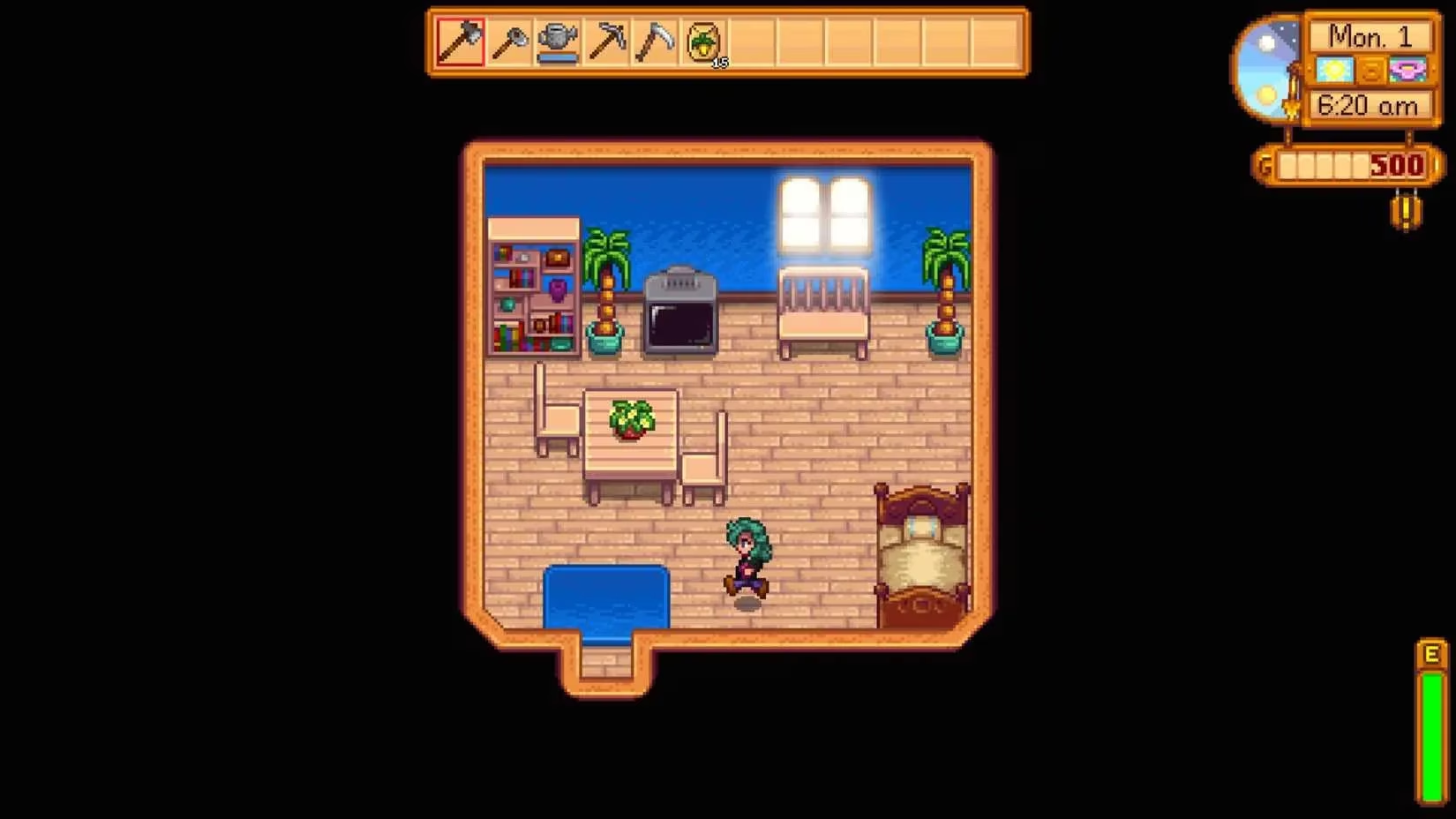
Introducing someone to gaming can be daunting, but Stardew Valley is the perfect ambassador. Its charming pixel art feels like a warm throwback, a loving homage to the 16-bit era, yet it controls with the smooth precision of a modern title. It doesn't strive for the pixel-perfect grandeur of classics like Final Fantasy VI, but instead carves its own niche as one of the finest modern pixel art games. This approachable aesthetic is a huge draw; it's inviting, not intimidating. It's like a well-loved storybook—the illustrations are simple but evocative, allowing your imagination to fill in the lush details of Pelican Town.
Making It Your Own: Deep Customization
Character customization is a big deal, and Stardew Valley delivers in spades, especially for a pixel art game. You're not just choosing a gender; you're crafting an identity. Hairstyle, clothes, animal preferences, even your character's "favorite thing"—all of it is malleable. The choice of farm map (standard, forest, riverlands, etc.) is a massive replayability driver, each one offering a unique strategic puzzle. Want to start over as a beachcomber on the Riverland Farm, or a forester on the Wilderness Farm? You can. And the pursuit of different romantic partners adds another layer of narrative reason to begin anew. Blessedly, an intro skip button lets you jump straight into the action, no lengthy wagon ride required.
The Silent Progression: Growth in Every Swing
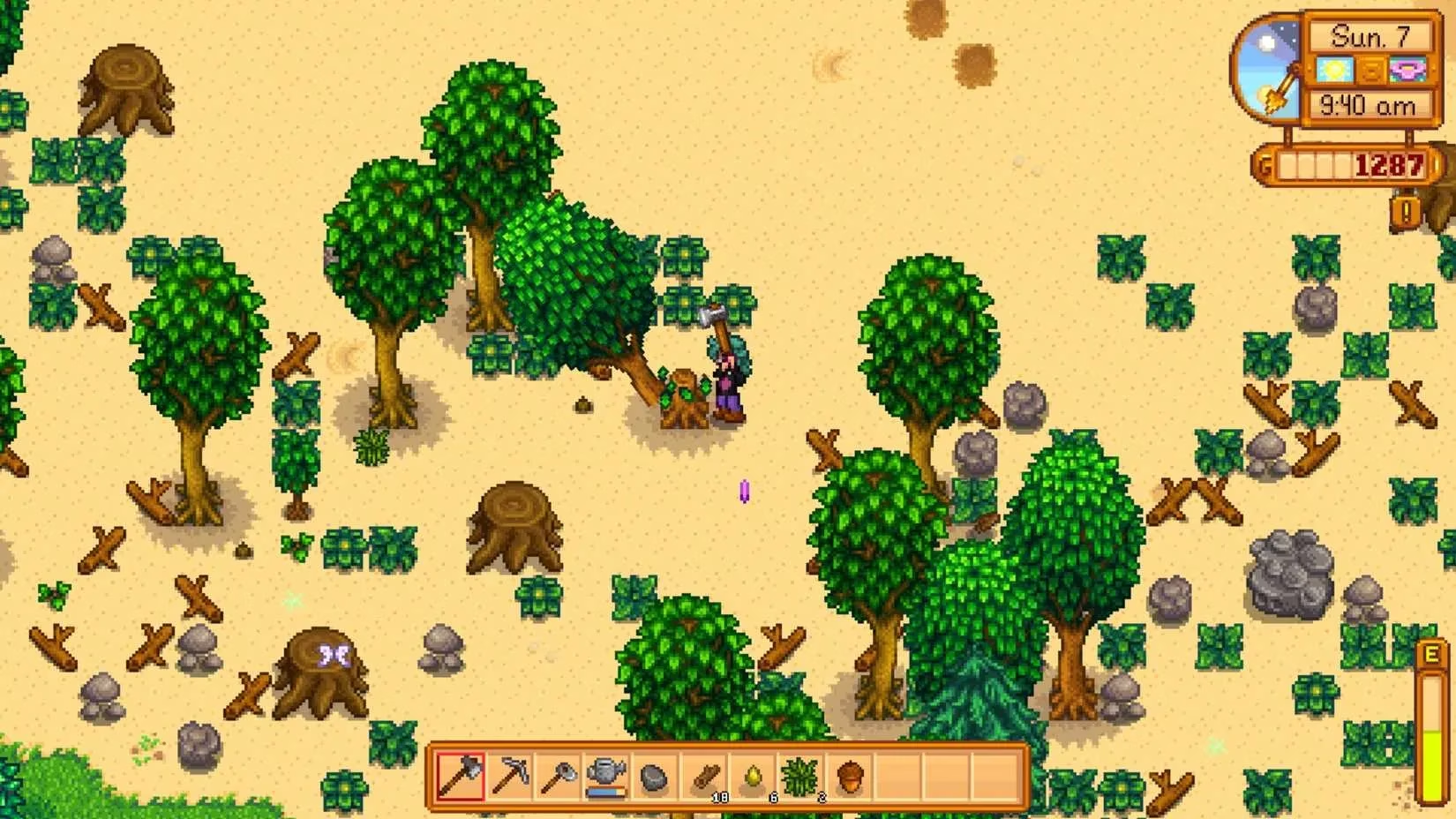
Even in this freeform world, everything you do matters. It's a silent, satisfying progression system. Chopping trees levels up your Foraging skill, making each swing more effective. Smashing rocks improves Mining. These level-ups unlock new crafting recipes—because, of course, becoming an expert lumberjack naturally teaches you how to craft a Life Elixir! This system turns every repetitive task into a step toward mastery. Small, constant incentives are the glue that holds long-term engagement together, transforming daily chores into a rewarding grind.
The Heart of the Community: Co-op & Mods
Stardew Valley truly blossoms with others. The robust co-op mode supports up to eight farmers on one plot of land, turning the experience into a delightful, task-managed mini-MMO. You can host, join online, or play split-screen. While the lack of crossplay between consoles is a noted downside, the sheer joy of shared labor and discovery is a massive draw. It turns your farm into a bustling community project.
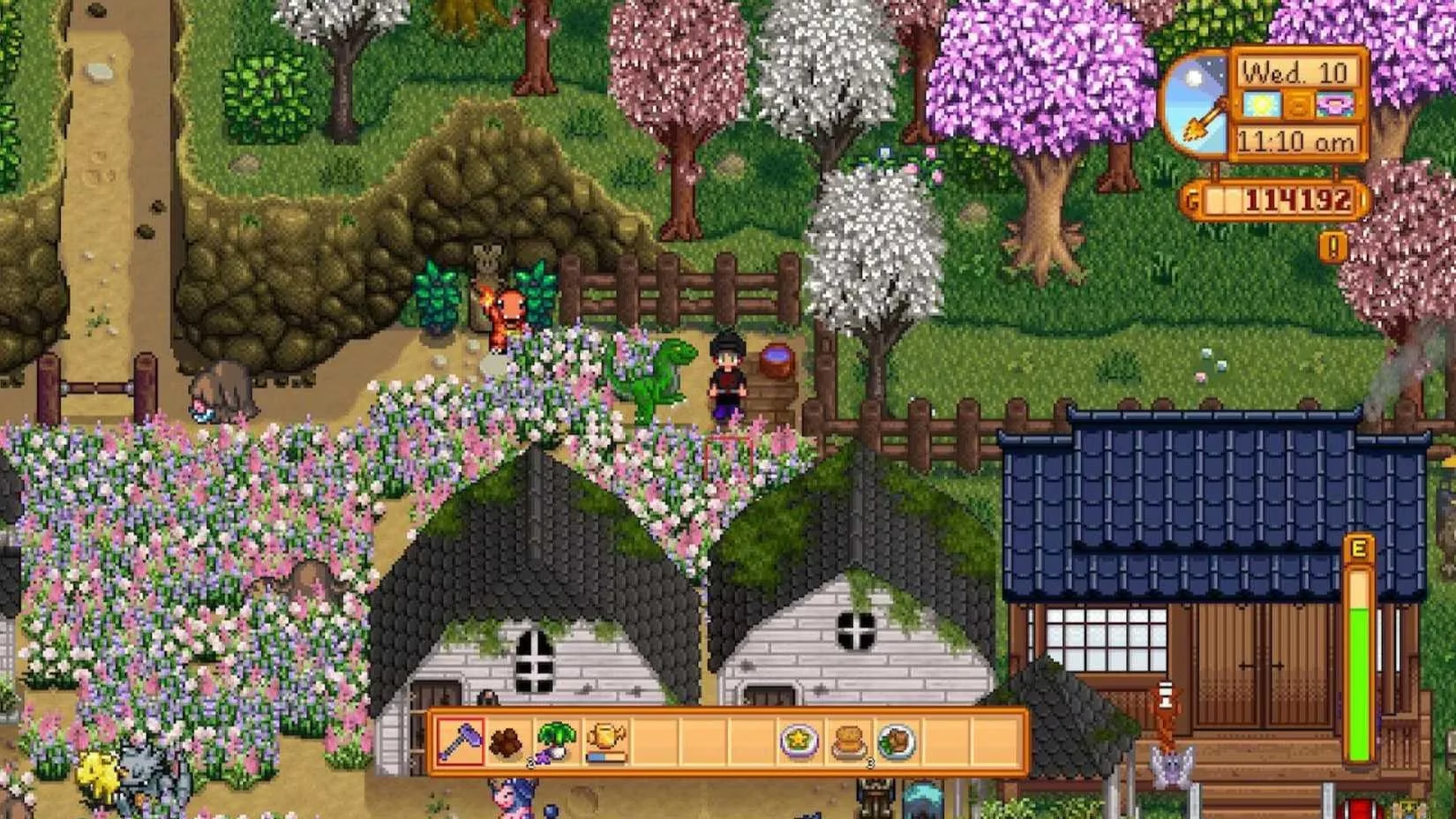
Beyond official features, the modding community is a powerhouse. Mods range from simple quality-of-life tweaks and new hairstyles to utterly wild conversions. The legendary Pokemon Ranch mod is a perfect example, seamlessly blending two beloved worlds. A vibrant mod scene is the ultimate testament to a game's health; it's a sign that players love the world so much they want to build their own additions to it. This creative fervor must be incredibly rewarding for the developers.
A Decade of Nourishment: The Update Lifeline
Few indie games can boast nearly a decade of consistent, meaningful support, but Stardew Valley stands tall. We've seen it all: small bug-fix patches and massive, content-rich updates that add new areas, festivals, characters, and systems. The significant 2024 update was a gift, and the one announced in 2025 has finally landed here in 2026, bringing with it a fresh wave of excitement. This ongoing dedication from ConcernedApe (Eric Barone) is the lifeblood of the game. It's like a master vintner tending to a barrel, not just bottling it and forgetting it, but constantly refining and adding new nuances to the blend. This commitment keeps the existing community engaged and perpetually attracts new players curious about the buzz.
In the end, Stardew Valley's magic is alchemical. It combines accessibility, freedom, a comforting aesthetic, deep personalization, satisfying progression, rich social play, and unwavering developer support into an experience that feels less like a game and more like a home you can always return to. Ten years on, it remains not just a compelling farming sim, but a quiet, pixelated masterpiece on how to build a virtual world that people never want to leave.